The phone rings late, and on the other end a sis discusses her sibling has been booked, bail is evaluated an amount the family can not cover, and arraignment is days away. I have taken variations of that ask for years. The details differ, but the underlying problem is the same. Bail is a gatekeeper to flexibility while a case relocates via the courts, and for several defendants, a bondsman is the sensible course through that entrance. Understanding what a bondsman in fact does, just how the financial resources function, and where the mistakes hide can conserve cash, time, and unnecessary stress.
What bond is implied to accomplish
Bail is not punishment. It exists to ensure an offender go back to court and to protect the process from disruption while protecting the anticipation of innocence. Judges established bond based on several factors, not simply the charged infraction. The nature of the claimed criminal activity issues, as do prior failures to show up, ties to the area, work, and in some cases the stability of housing or family assistance. In some territories, danger evaluation tools and local timetables affect the buck number, yet the judge has discretion.
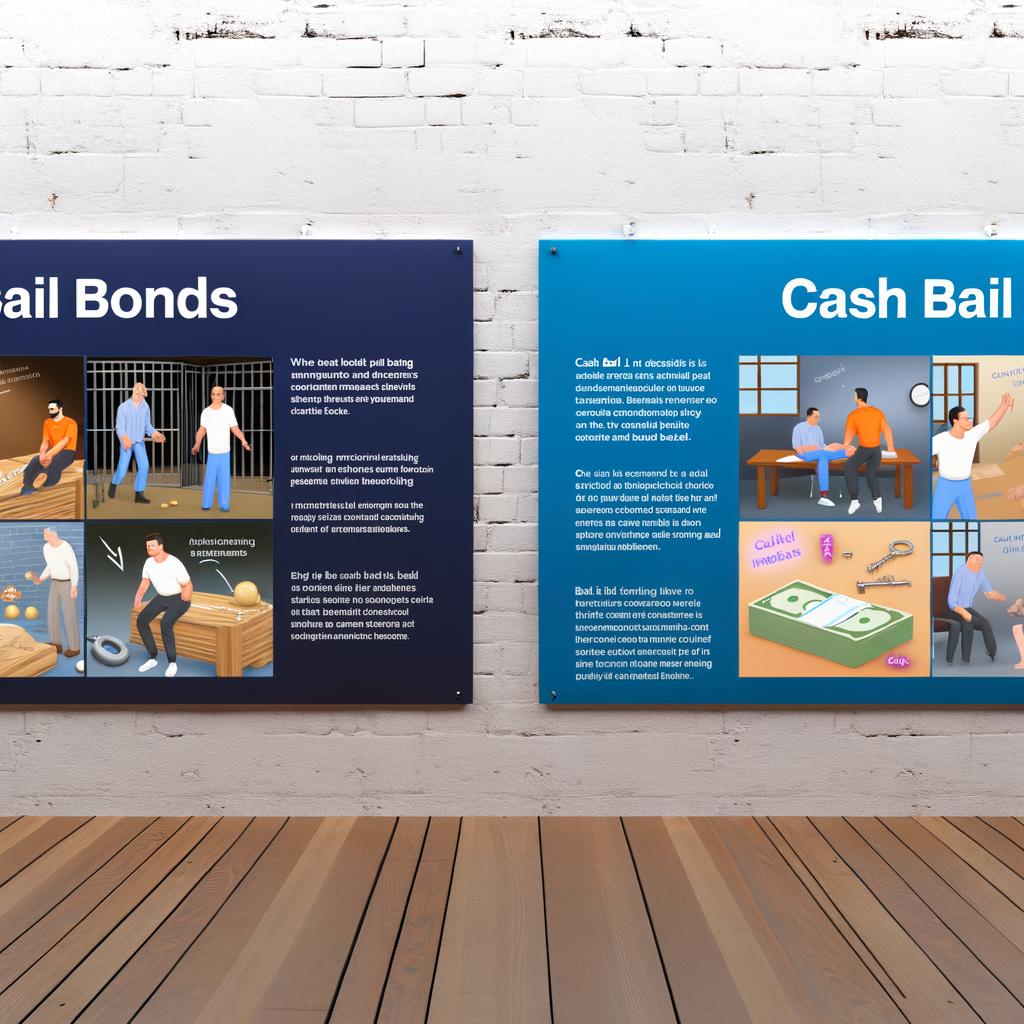
Cash bail, when needed, can be totally posted by the accused or a sustaining celebration. If the accused makes all required appearances and abides by conditions, that money is returned at the end of the situation, minus court costs or fines. When the quantity is past reach, a commercial guaranty bond with a qualified bondsman ends up being the option. This is where individuals commonly misconstrue the business economics and the obligations attached.
The core feature of a bail bondsman
A bondsman concerns a https://abbabailbonds.com/bail-bonds-sacramento-county-sacramento-location/ guaranty bond to the court guaranteeing the full bail quantity on behalf of an offender. In exchange, the client pays a nonrefundable cost, typically called the costs. The bondsman is backed by an insurance provider that finances these threats. If the accused falls short to appear and the court forfeits the bond, the bail bondsman and guaranty are responsible for the full bail, unless they can return the defendant to custody within a time window set by law.
The value the bail bondsman supplies is straightforward. They convert a large, momentary obligation right into a smaller, dealt with price, which enables the defendant to be released and prepare a protection without being in jail. The tradeoff is the fee, which is not returned, also when the situation deals with favorably.
In method, a good bondsman does greater than file a bond. They confirm information, analyze trip threat, interact with the court, and usually remind clients of days and conditions. When I have actually helped customers, the job has consisted of situating a missing paystub at midnight, calling a staff to verify a rescheduled hearing, and locating a client that confused two different courtrooms in the same building.
How the money works
Premiums differ by state. An usual array is 8 to 10 percent of the bail quantity. Some states established the rate by law. If the court establishes bail at 25,000 dollars and the rate is 10 percent, the costs is 2,500 bucks. That cost makes up the bondsman and covers the price of underwriting and danger administration. It is not a down payment towards the bail. It does not come back at the end of the case.
Collateral is separate. If the customer is a higher threat, or if the bond is large, the bail bondsman may call for security to protect the total. Collateral can be a lorry title, real property with equity, precious jewelry with evaluations, or a cash deposit. Security is returned when the bond is vindicated, indicating the case concludes or the court releases the obligation, offered there are no unpaid fees or prices. When somebody calls me about security, I ask about liens, insurance, and whether all proprietors want to sign. I have actually seen a bond delay for days because a vehicle title had the incorrect name or an action showed a home not completely in the signer's control.
Payment plans prevail, however not guaranteed. A bail bondsman might approve a part of the costs ahead of time and spread out the balance over weeks or months. Authorization typically hinges on work background, co-signers, and the perceived risk of the case.
Co-signers and their genuine responsibility
The co-signer, also called an indemnitor, is the person that takes monetary responsibility for the bond. They guarantee to ensure the offender shows up in court and follow problems. They also debenture if the bond is surrendered. Lots of co-signers do not completely appreciate that this is a binding commitment. If the offender absconds and can not be returned within the legal window, the court will certainly go into a judgment versus the bond. The surety pays, after that transforms to the bondsman and the co-signer for reimbursement.
I have rested at cooking area tables describing this danger to parents and partners. The crucial questions I ask are easy. How well do you know the accused's routines? Do they have steady job or school? Any type of history of missing court? Can you realistically communicate with them and encourage conformity? If the answers are unstable, the co-signer may require stronger collateral or a different strategy, such as waiting for a bail decrease hearing.
The timeline from apprehension to release
Booking sets things moving. After finger prints and information access, the prison will provide bail based on the regional schedule or await arraignment. In numerous regions, a bondsman can upload a bond at any kind of hour once bail is established. The rate of launch depends on the jail's processing capacity. I have seen tiny facilities launch somebody in under an hour and big urban jails take six to 8 hours, especially on weekend breaks or after court closes.
The bondsman satisfies the co-signer, assesses the instance, completes documentation, gathers the costs and any type of security, then articles the bond. A lot of workplaces can finish whatever digitally. For out-of-state family, this is often the only practical way. Once uploaded, the prison processes the launch. The accused receives a court date and any problems such as no-contact orders, travel limitations, or check-ins.
Conditions of release and why they matter
Bail is not just about cash. Conditions can consist of staying away from specific people or places, testing for substances, participating in therapy, or keeping work. Violations offer the court premises to withdraw bond. A bail bondsman will certainly commonly keep an eye on problems gently, for example with suggestion calls or quarterly check-ins, because an infraction that causes remand places the bond at risk. In higher-risk situations, a bondsman might need the accused to consent to GPS monitoring or regular contact. I have had defendants grumble about the hassle, yet a little framework can be the difference between making it to trial and touchdown back in custody.
Failure to appear, give up, and recovery
When an offender misses out on court, the judge can release a bench warrant and start the forfeiture process. In lots of territories, the court offers a grace period to allot the forfeit if the offender shows up immediately or has a legally excusable reason. Calendaring mistakes and transport problems happen, and a quick contact us to the bondsman can occasionally take care of the trouble before it gets expensive. If the defendant goes off the grid, the bail bondsman has both the right and the incentive to situate and surrender them. This can entail knowledgeable healing agents, frequently licensed and controlled, who track leads, examine addresses, and coordinate with regulation enforcement.
People image television drama. The fact is more documentation and telephone call than foot goes after. The best recoveries occur with teamwork. Family members, facing the risk of losing security, advise the defendant to deal with the scenario. A tidy abandonment minimizes expenses, maintains the court from getting in a last forfeiture, and protects the co-signer's assets.
Common myths and where they go wrong
The most significant misconception is that a bail bondsman can work out the bond quantity. Just the court can change bail. A bondsman can encourage a family to seek a bail evaluation hearing or refer them to a defense attorney who can file the best movement, but the rate, the amount, and the problems are eventually the court's call.
Another myth is that employing a bondsman injures the case. Courts do not penalize defendants for making use of a bond rather than posting cash. What judges do notification is conformity. Showing up promptly, following orders, and staying out of problem makes any future demand, like a decrease in bail problems or permission to take a trip, more likely to be granted.
A 3rd mistaken belief is that a low costs implies a good deal. Cutting edges on underwriting or operating without appropriate support substances danger. If a cut-rate procedure breaks down mid-case, customers can wind up captive unexpectedly. I have seen it take place when a little company lost its surety relationship. Due persistance matters.
How to choose a bail bondsman with judgment
Not all bondsmen function similarly. The task is a mix of finance, logistics, and individuals abilities. A proficient bondsman checks out instances for threat, establishes clear assumptions, and keeps interaction open with clients and the court. I recommend households to compare a couple of firms and look for straightforward, proven cues.
- License status and surety support. Validate the license through the state regulatory authority and ask which insurance provider backs the bonds. Trusted sureties are a good sign. Transparent costs and written terms. Premium, layaway plan, collateral terms, and any add-on charges ought to be clear and in writing before posting. Availability and interaction. The workplace should respond to promptly, clarify timelines, and provide particular next steps without obscure promises. Local court experience. Knowledge with the certain prison and courthouse frequently shortens release times and minimizes preventable mistakes. Respectful therapy. If the agency stress you or plays down your concerns, take your company elsewhere.
Those five checks suit a solitary call. I keep them in mind when recommending close friends outside my region who require aid quickly.
The interplay with defense counsel
A defense lawyer and a bondsman commonly fulfill at the very same moment in a situation, yet they offer different objectives. Counsel suggests for reduced bail, fewer conditions, and a stronger defense strategy. The bondsman makes the existing bail cost effective and workable. Control assists. If an attorney plans a speedy movement for bail decrease, it may deserve waiting a day instead of paying a higher costs on a bigger bond. Conversely, when an offender risks shedding a work if they do not get out by morning, uploading initial and looking for a reduction later on might be the reasonable choice.
I have managed instances where the attorney's call conserved a client thousands. In one, bail was set at 50,000 bucks on a pacifist charge with strong community connections. The attorney had a hearing set up the following mid-day and sensible grounds for a decrease. We waited, the judge went down bond to 15,000, and the costs decreased as necessary. The client ventured out the same day, yet with far much less cost.
Special scenarios that change the calculus
Not every bond appears like an uncomplicated post-and-release. Migration holds can avoid launch also if a state court approves a bond, since government authorities might restrain the person separately. Safety orders can enforce housing limitations that make complex where an accused can go upon release. Out-of-state warrants can cause a launch and immediate re-arrest on the various other matter. Probation or parole holds can bypass bond entirely.
When these problems appear, a seasoned bondsman will stop briefly. Posting a bond that causes no real release does not assist any person and can create conflicts over refunds for costs or costs. A mindful review with the prison and, when feasible, with counsel, secures the client and the co-signer from spending for a bond that generates no benefit.
What takes place when the situation ends
At the end of the situation, whether by dismissal, plea, or judgment, the court pardons the bond. The bondsman obtains notification, shuts the file, and returns collateral after confirming no outstanding fees. That last action can take a couple of days to a number of weeks, depending on the court's paperwork circulation. I tell co-signers to maintain copies of invoices, the bond number, and any type of interaction from the court. Clear documentation speeds everything.
If the offender conformed throughout, there are no extra costs. If the bail bondsman incurred expenses chasing a missed out on court day, those expenses might be charged against security if the agreement allows. This is one more factor to prefer a company that describes its cost routine upfront. Surprises at the end of a demanding case can sour an or else successful outcome.
How Bail Bonds match bigger policy debates
The bond system is under analysis. Numerous territories have decreased dependence on money bond for low-level offenses, expanded pretrial solutions, or adopted risk-based launch. Doubters argue that money-based release penalizes destitution and does little to anticipate court look. Advocates of commercial bond highlight accountability and the functional requirement to guarantee appearance. Both viewpoints have truth.
From the bondsman's viewpoint, I see both the solution and the strain. When a trusted dad of 2 is held on a modest bail for a new offense, a timely bond maintains a household undamaged and a task safe. When a risky accused cycles via several failings to appear, a more stringent technique, whether via higher analysis or nonfinancial conditions, makes good sense. The best systems balance fairness, safety and security, and operational fact. While policy evolves, individuals still need to browse the rules that exist today. That is where clear information and steady assistance matter most.
Practical suggestions for households dealing with a newbie bond decision
The hours after an apprehension feel chaotic. Decrease sufficient to make informed options. Begin by confirming the bond quantity and any holds. Call the prison or examine the region's on the internet prisoner locator. Once you confirm bail is set and there are no blocks on launch, gather the essentials: complete lawful name, booking number, date of birth, the precise quantity of bond, and the following court day if offered. Have identification prepared and, if collateral is needed, make certain the documents is clean. Titles have to match the proprietor's name. Real estate requires recorded equity.
Focus on interaction. Share calendar reminders. Use text and email to keep an eye on court dates. If a day modifications, alert both the lawyer and the bondsman. In my files, one of the most pricey problems often started with a missed out on call or a presumption concerning a timetable that ended up being wrong.
Costs you could not expect
Beyond the premium, some situations entail incidental expenditures. There may be jail fees to refine the bond. Electronic tracking, if required, brings daily costs. Travel for a recuperation representative, if someone misses court, can come to be a billable expense under the contract. If a layaway plan is late, late fees can accrue. None of these should be concealed. Ask for a fee sheet and read the agreement. I have seen wise clients conserve hundreds by catching a clause that would certainly have penalized early payoff or billed extra for regular suggestions. Reputable firms keep billing simple; intricacy typically disguises revenue at your expense.
What a bail bondsman tries to find when examining risk
Just as you review the bail bondsman, the bail bondsman examines you and the offender. The computation involves 3 basic questions. Exactly how likely is the defendant to appear? Exactly how collectible is the data if something goes wrong? How much control or impact can the co-signer exert? Aspects that push threat up consist of prior failures to appear, weak area ties, unsteady housing, and major costs with possible jail time. Aspects that reduced threat consist of stable work, long-lasting regional home, school registration, and encouraging family.
Sometimes a single information changes the choice. I as soon as accepted a bond for a boy without any prior document and a tight-knit household, in spite of a fairly high bail. The clincher was a letter from his company verifying full time job and a readiness to fit court days. That sort of third-party stability speaks louder than assurances from a worried family member. Conversely, I decreased a bond where the defendant had actually skipped a misdemeanor court date two months earlier and had actually simply transferred to the state. The co-signer intended to promise a car with an uncertain title. The mix added up to too much risk, and I suggested them to look for a bail decrease instead.
When self-posting money makes even more sense
There are scenarios where uploading money bail without a bail bondsman is the smarter path. If the bail is reduced sufficient to pay for and your territory returns funds quickly, the mathematics favors money. If a defendant has no history of missing out on court and the instance is brief, the opportunity price of tying up funds for a couple of weeks may be minor contrasted to paying a costs you can not recover.
Consider liquidity and timing. Families occasionally drain pipes financial savings to publish cash money, after that battle with lease or payroll. A costs spreads out the price however makes it irreversible. There is no single answer. Run the numbers and think about the reasonable timeline of the situation. Ask advice for an estimate of how long the instance will take to resolve. Violations could cover in a month or 2. Felonies usually extend over several months or longer, especially if there are motions or lab results pending.
Ethics, conformity, and the silent work you seldom see
Licensed bondsmen operate under regulations that govern marketing, privacy, fee disclosure, and expert conduct. Good companies purchase training staff on those guidelines and on information safety. We deal with Social Safety and security numbers, monetary documents, and sometimes sensitive medical information linked to launch conditions. Keeping that information safe is not optional. Another component of the work that hardly ever gets airtime is record settlement. Courts change days, staffs miskey case numbers, jails upgrade reserving identifiers. A conscientious bondsman maintains documents integrated to make sure that a missing out on figure does not produce a bench warrant months later. I once captured a shifted number on an instance file that would certainly have triggered a failing to show up notice, although the customer showed up to every hearing. Silent diligence protected against a waterfall of trouble.
The language of the contract, demystified
Bail bond agreements can review like insurance plan, filled with terms that feel opaque. A couple of matter more than others.
- Indemnity. This clause specifies that the co-signer consents to repay the bail bondsman and guaranty for any losses, prices, and costs occurring from the bond. Collateral description and release. This area ought to define what collateral is vowed, where it is held, and the conditions and timing for its return. Default and solutions. Search for clear interpretations of what makes up default and what tips the bondsman may take, such as giving up the offender or liquidating collateral. Privacy and communication. Numerous agreements consist of approval for contact by phone, text, and e-mail. Comprehend what you are authorizing. Fee timetable. Late costs, keeping an eye on fees, and recuperation costs should be detailed here.
If any part really feels vague, request plain language. A reputable bondsman can clarify each condition without lingo. If they can not, that is a warning sign.
Where innovation assists and where it does not
Electronic trademarks and online payment portals have made bonding quicker. E-filing with courts, where offered, trims hours off launch times. Automated reminders decrease missed out on looks. Those are authentic enhancements. Innovation can not change judgment, local connections, or clear interaction under pressure. I have learned to verify computerized court feeds versus main dockets, especially after vacations or weather condition closures, and to check that messages reach the appropriate number. Efficiency aids, yet precision keeps individuals out of handcuffs.
Final thoughts grounded in practice
A bondsman rests at a crossroads of regulation, money, and human urgency. When the phone rings, a family members needs two things: fast release and trusted support. The craft is in stabilizing risk with concern, framework with flexibility. If you recognize the objective of bond, the business economics of the premium and security, the real duties of a co-signer, and the sensible actions from booking to exoneration, you can choose that fit your situation, not somebody else's assumptions.
Bail Bonds, as a service and an industry, fill up a specific duty in the justice system. They are not a treatment for systemic issues, and they are not the villain of every hard story. Used intelligently, they give a bridge that allows accuseds to live, function, and prepare their situation while the wheels of the court turn. Used carelessly, they compound risk and expense. Ask direct inquiries, maintain records, turn up to every hearing, and select professionals that treat you like a companion instead of a deal. That method has lugged even more of my customers home, and kept them there, than any type of faster way ever could.